

A parts quote in 36 minutes, and a jaw crusher meets granite

This week features Todd Lester of Principio Asphalt, Mike Varner of Astec, and Devon McKinney and Joe Gibson of Superior Industries.

Here is what is important:
- Astec: from trade show demo to parts quote in 36 minutes
- Watch: a Lippmann 3862j-w jaw crusher working granite (24 seconds)
- Superior: when wheeled portable plants beat tracked equipment
- Superior: choosing the right conveyor impact protection
1. Astec: from trade show demo to parts quote in 36 minutes

On Wednesday Astec published a customer story worth the read. At CONEXPO-CON/AGG, representatives from Principio Asphalt stopped at the MyAstec demo and pulled up a 3D model of their own plant. Superintendent Todd Lester pointed to a baghouse wear area he had been watching, Astec engineering director Mike Varner recommended ceramic tile on the skimmer plates, and a parts quote came back through the platform in 36 minutes. The order followed. A concrete look at where OEM parts support is heading.
2. Watch: a Lippmann 3862j-w jaw crusher working granite (24 seconds)
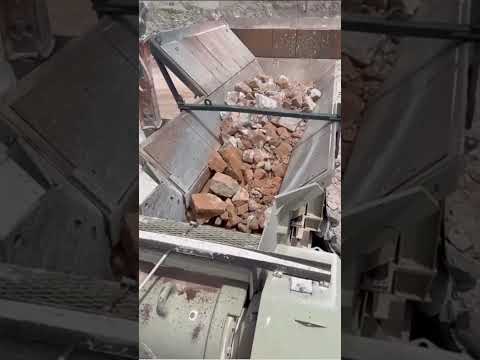
Last Friday Lippmann posted 24 seconds of its 3862j-w jaw crusher working rugged granite. No narration and no slides, just the jaw taking hard feed and staying fed. If you run primary crushing in granite or similar abrasive rock, it is a half minute well spent watching how the big Lippmann jaw moves material.
3. When wheeled portable plants beat tracked equipment

On Thursday Superior published a practical comparison of wheeled and tracked portable plants by Devon McKinney, its portable plants product manager. The rule of thumb: relocating three to four times a year or more favors wheeled, single pit work with frequent short moves favors tracks. Wheeled units hook to a truck, run on shore power instead of an onboard diesel, and stay serviceable past the ten year mark where tracked undercarriages and engines wear out. A useful frame before your next plant purchase.
4. Choosing the right conveyor impact protection

Also on Thursday, Superior's Joe Gibson, three decades into studying conveyors, published a guide to matching impact protection to the hit your belt actually takes: impact idlers for 3 to 4 inch material dropping 6 to 8 feet, impact beds for 5 to 6 inch material and 8 to 10 foot drops, cradles for the heaviest loading. Undersized protection announces itself as spillage and component damage before the belt fails. A short read that can save a belt.

