

What actually wears in a jaw crusher, and sand nobody touches twice

This week is a parts week: what wears inside a jaw crusher, what fails first on a cone, what open area does not tell you, and one operation that stopped touching its sand twice.
Here is what is important:
- Jaw crusher anatomy: the eccentric shaft, the pitman, and the part designed to break
- Watch: a New Hampshire pit stops rehandling its sand (71 seconds)
- The cone crusher parts that fail first
- What open area does not tell you about a screen
1. Jaw crusher anatomy: the eccentric shaft, the pitman, and the part designed to break

On Wednesday Kemper Solutions published a long walk through jaw crusher anatomy that is worth the twenty minutes. The eccentric shaft is the single most important moving component, and it fails three ways: bearing wear, tramp iron, and lost lubrication. The toggle plate is the useful counterpoint, deliberately the weakest link in the drivetrain so an uncrushable takes out a cheap plate instead of a pitman. It also covers when a double toggle earns its lower throughput on abrasive rock.
2. Watch: a New Hampshire pit stops rehandling its sand (71 seconds)
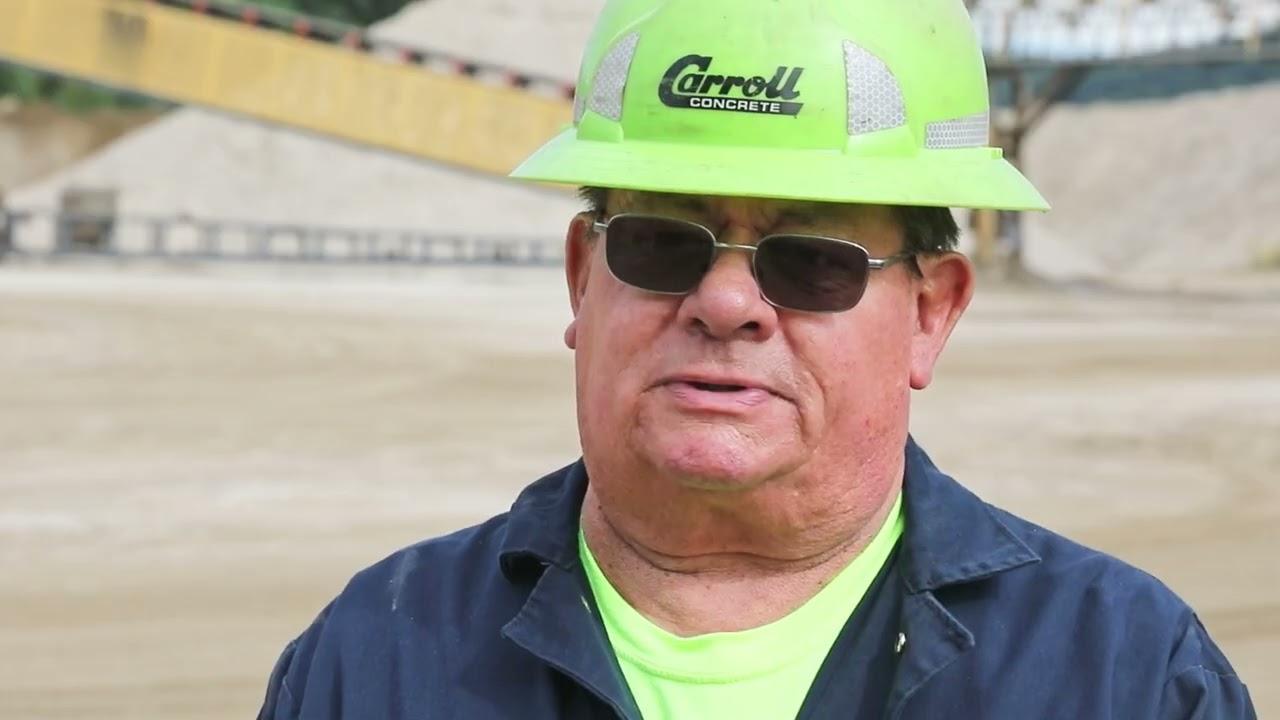
Last Friday Superior posted 71 seconds on Newport Sand and Gravel in New Hampshire, the aggregate side of Carroll Concrete. The operation used to build stockpiles with trucks and loaders across several touchpoints. A 170 foot TeleStacker now runs on an automated program and feeds five locations, and as their operator puts it, "we use a TeleStacker to move all our sand now. We don't touch it until we load it out." Every rehandle you remove is fuel, hours, and loader wear you stop paying for.
3. The cone crusher parts that fail first

On Monday Mellott's Emmaline Moser published a rundown of the cone crusher components that go first: mantle and bowl liner, torch ring, main shaft, bearings and bushings, seals, and hydraulics. The practical line is about sequence. Liners should come off on your schedule while the crusher is still making product to spec, because waiting until output slips is how liner wear turns into a torch ring or main shaft problem.
4. What open area does not tell you about a screen

On Tuesday Major published a useful correction on open area, the number most media gets picked on. Two panels with identical open area can screen very differently, because opening shape, placement, and the wire itself change what actually passes. Blinding and pegging are the clearest case: independently vibrating wire moves up to 10,000 cycles per minute, roughly thirteen times wire cloth, and that motion clears near size material that open area alone predicts would pass.

